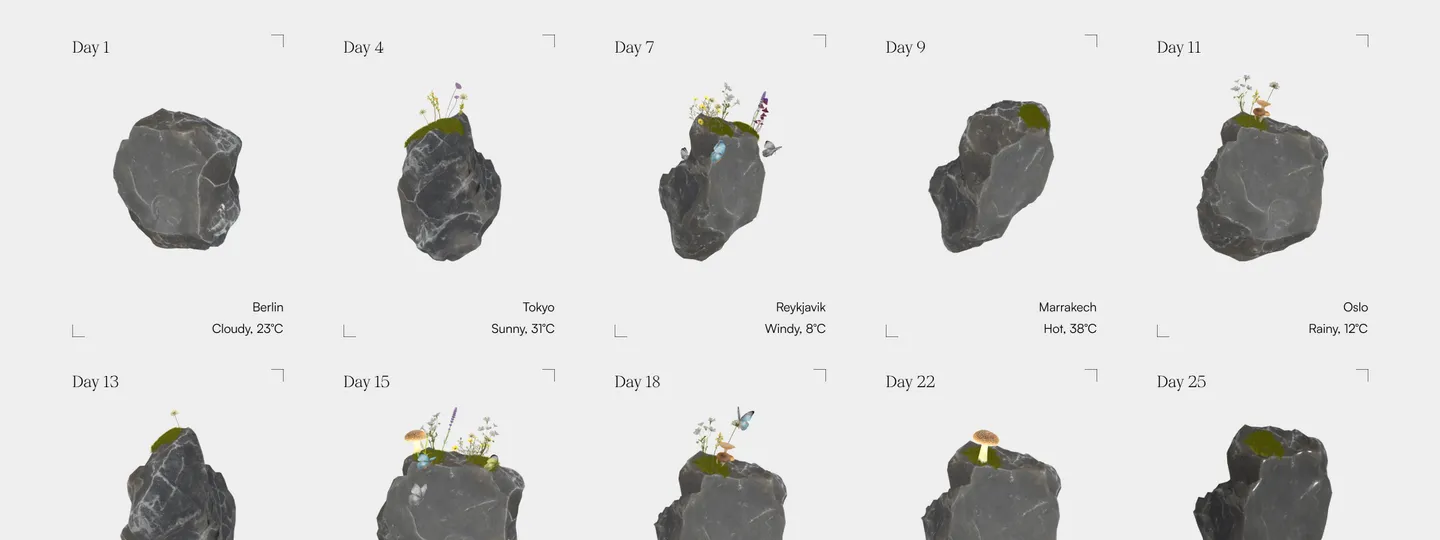
An Absurd Stone
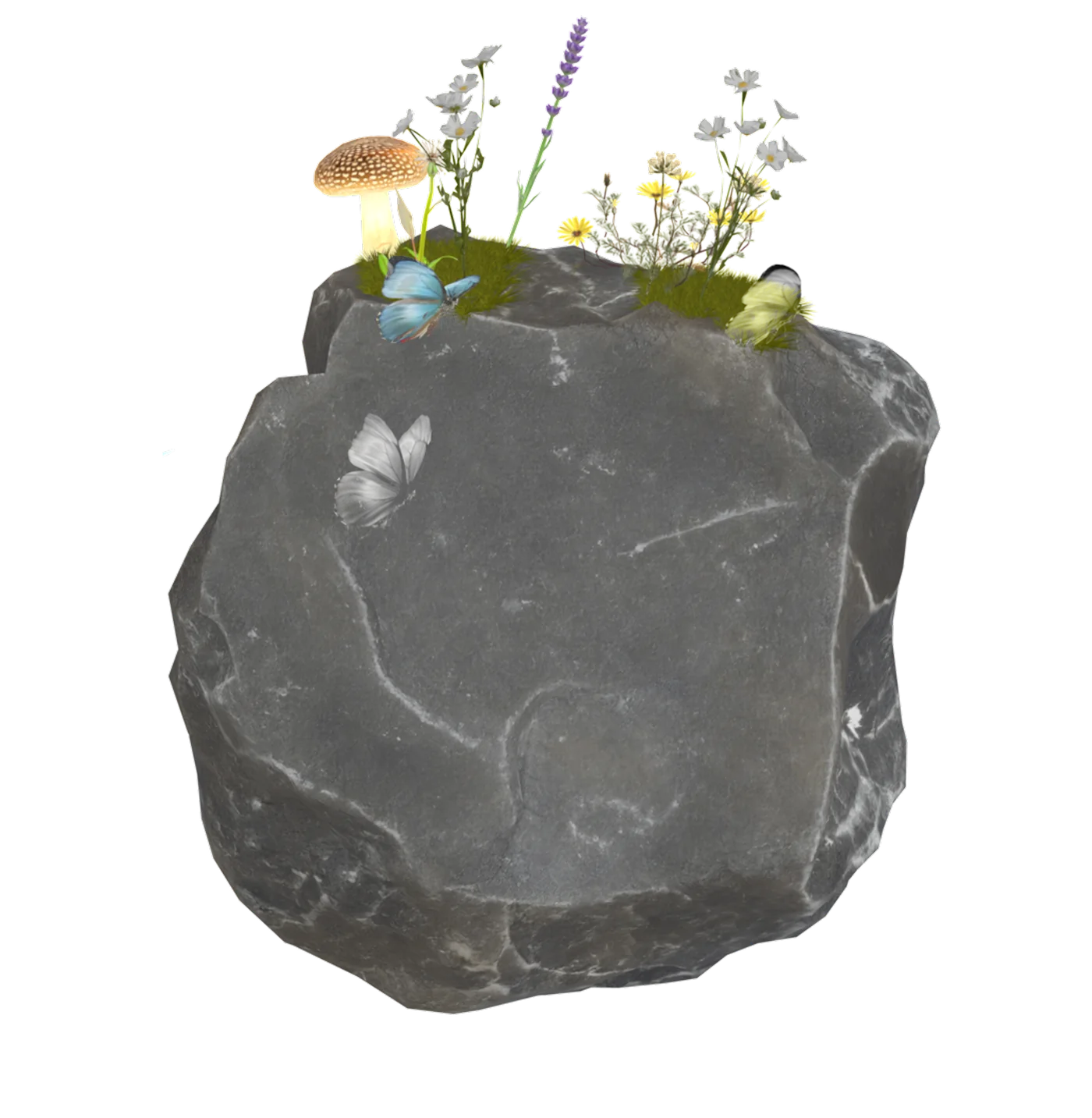
I designed and built An Absurd Stone with Claude Code, Codex, and a 3D designer, exploring how AI could support the full path from concept to release.
In progress, with an App Store release planned for later this year.
The Brief
Could AI change how I work as a designer, not only making me faster, but letting me explore parts of product design I could not reach on my own, from 3D to building and shipping an app?
I used An Absurd Stone as my testing ground, working with Claude Code and Codex to explore, prototype, and build the application, then created shared specifications, project memory, Skills, and review loops connecting Figma, 3D production, and code.
Designing it like a game
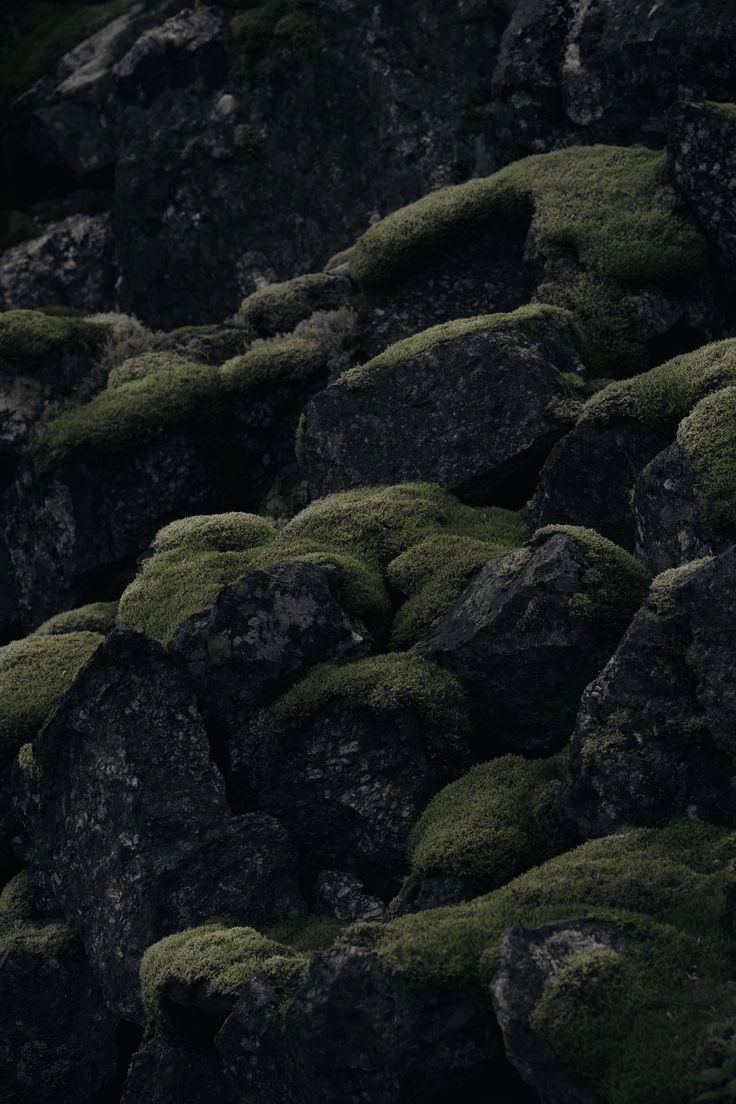
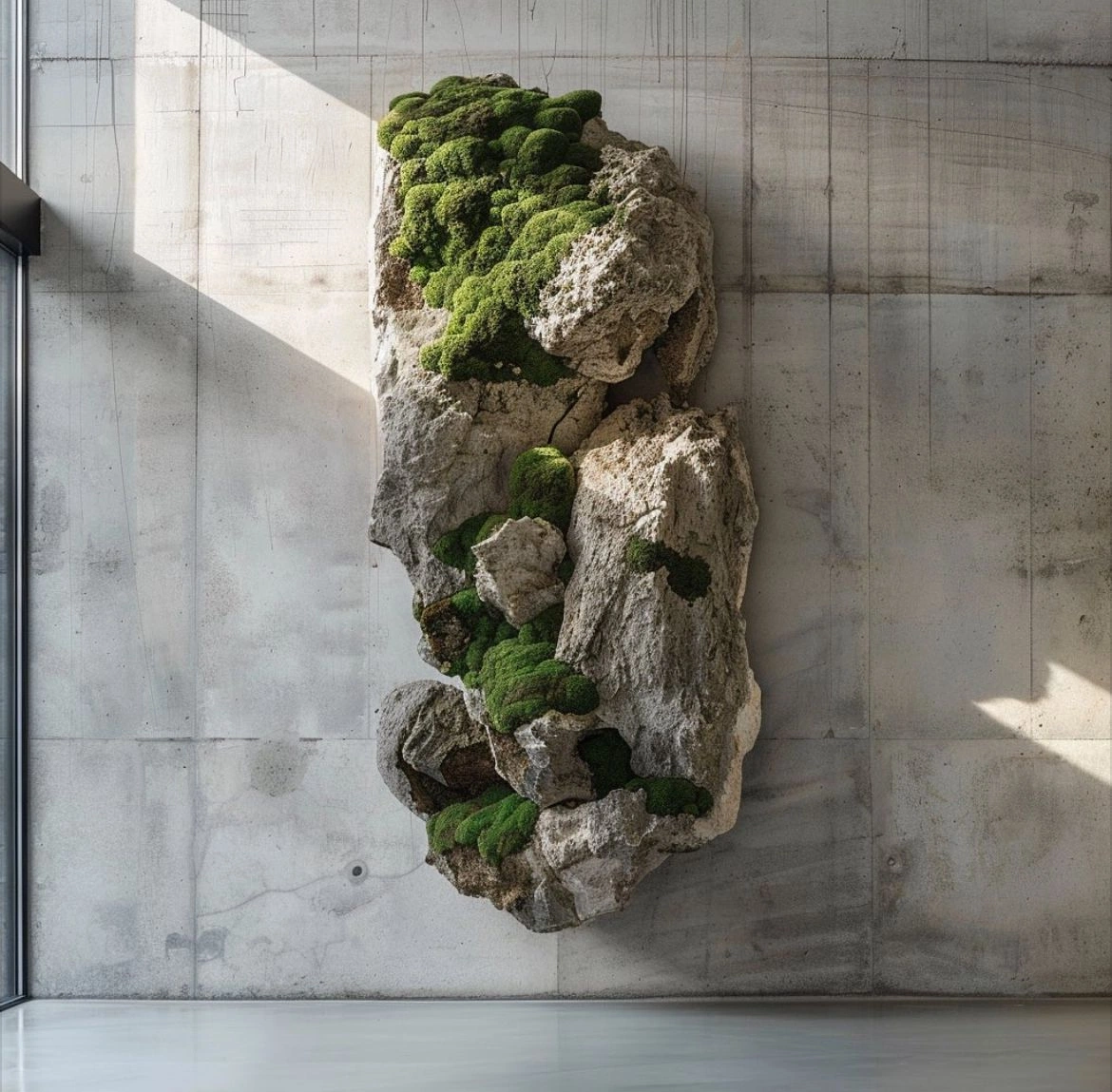
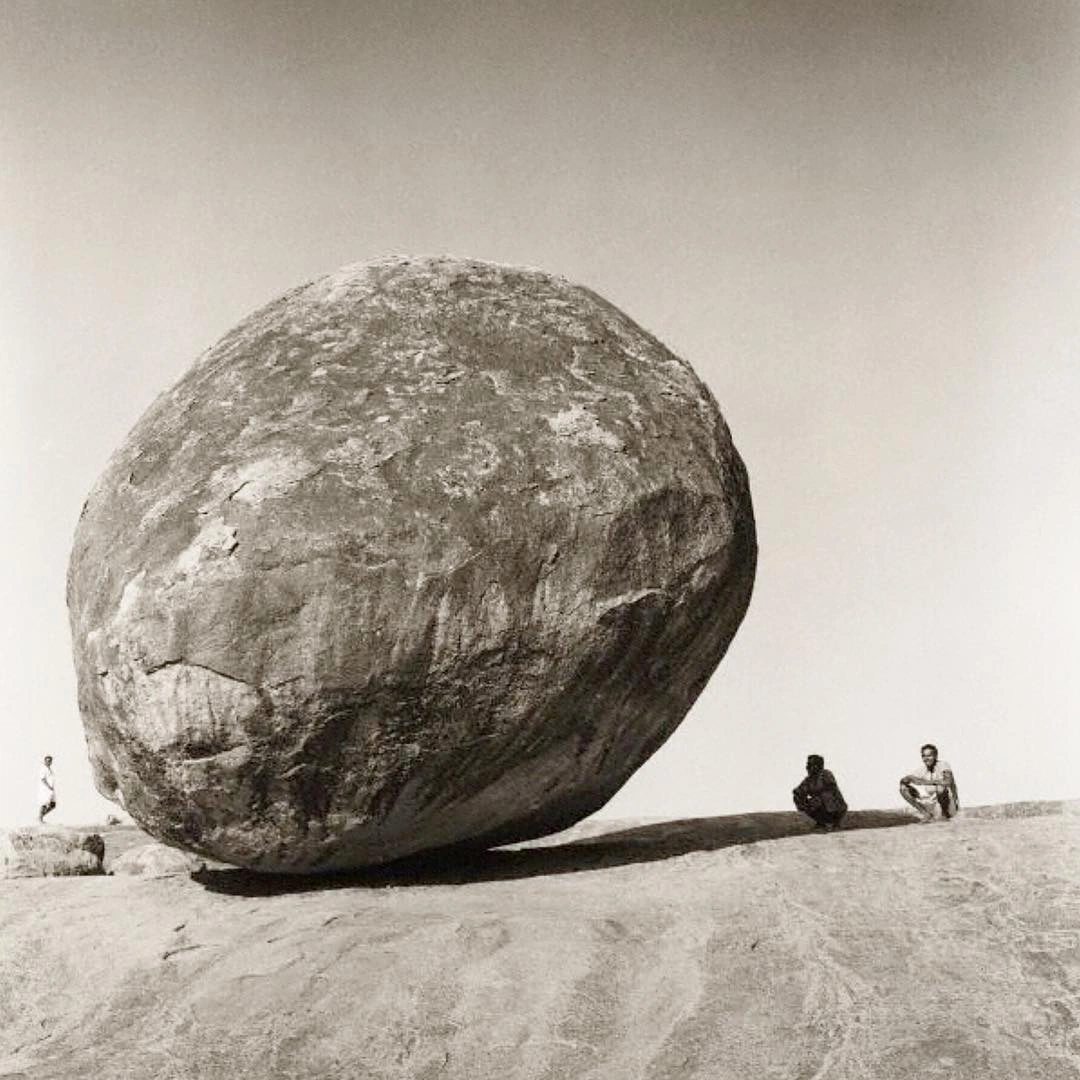
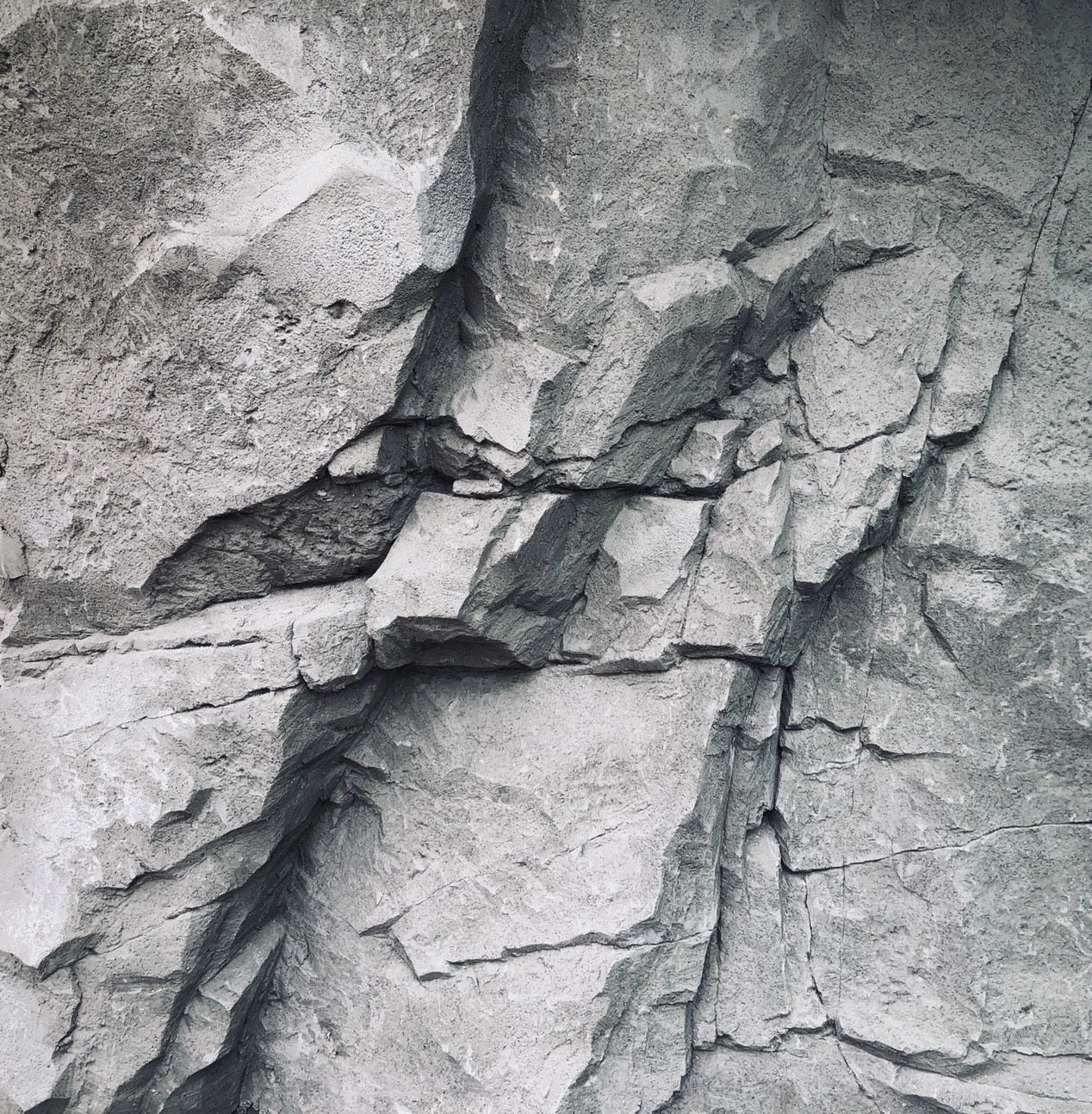
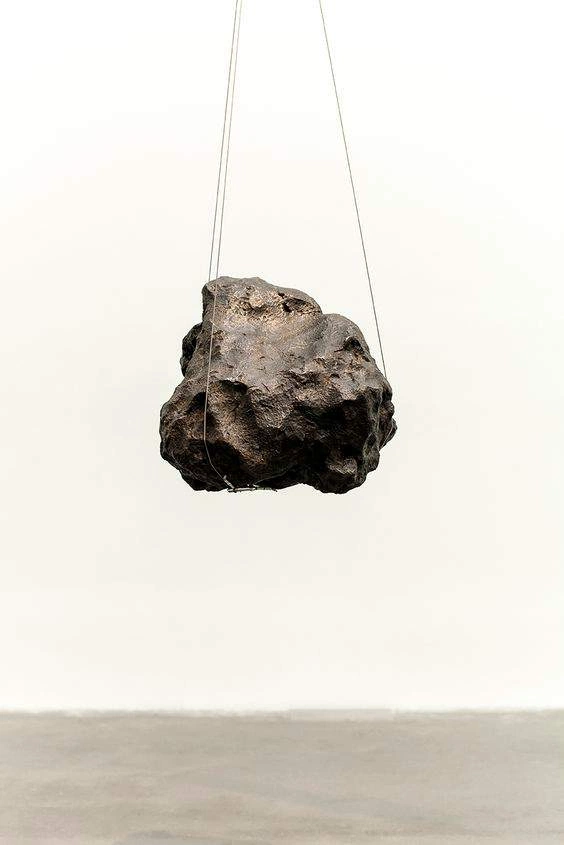
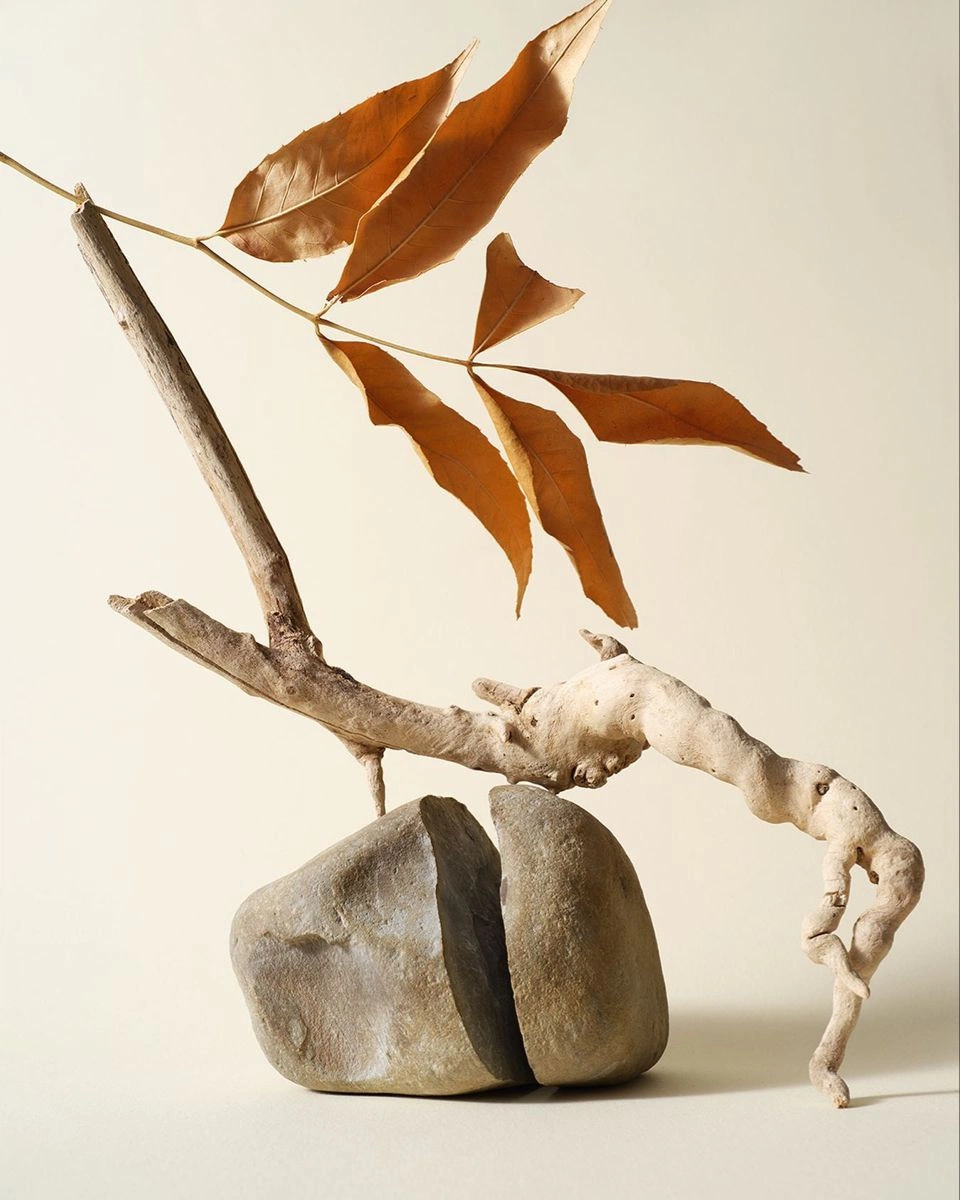
An Absurd Stone has no goal to reach and nothing to complete. You simply spend time with a stone through ordinary days, changing moods, and passing rain, and one day it may leave. With no task to optimise, I shaped its features through game design instead, thinking about pacing, rarity, surprise, and attachment.
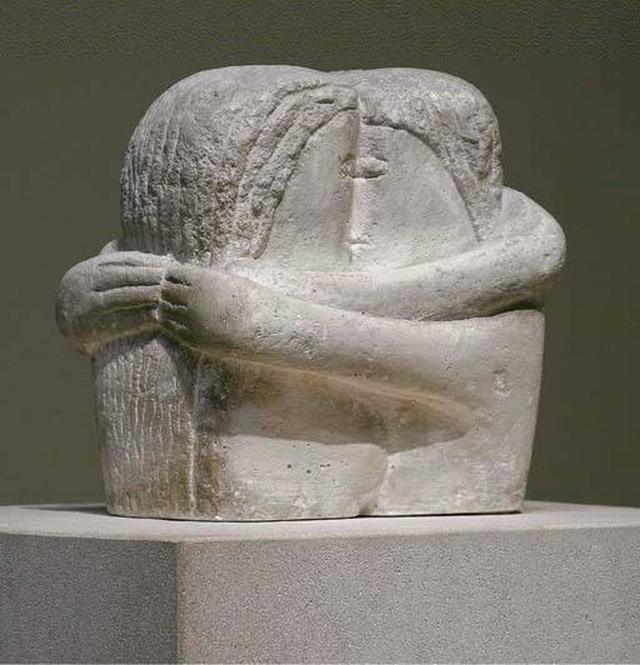
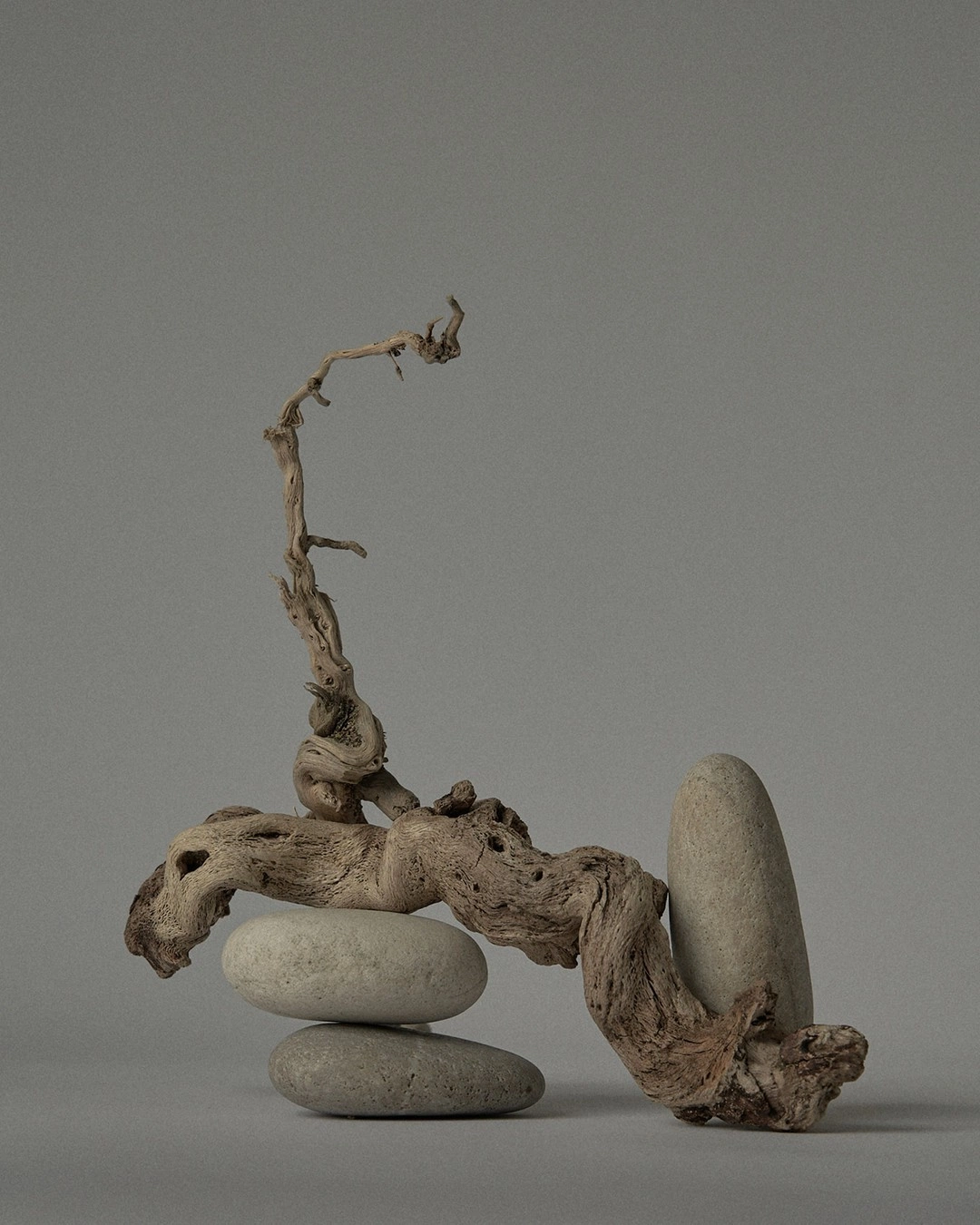
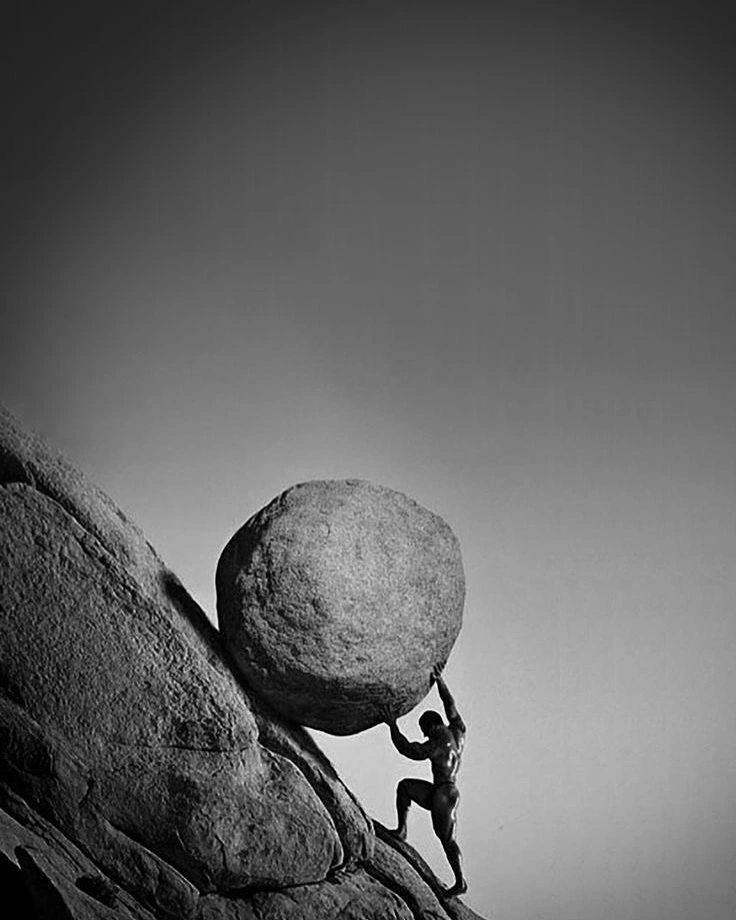


Turning the idea into a working prototype
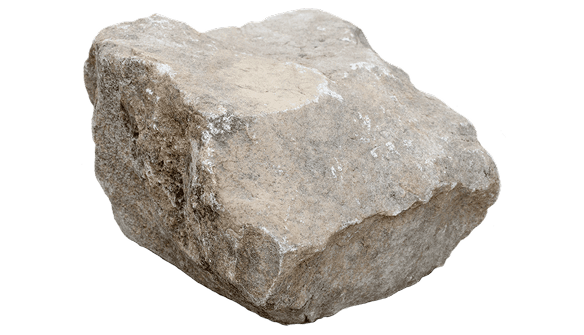
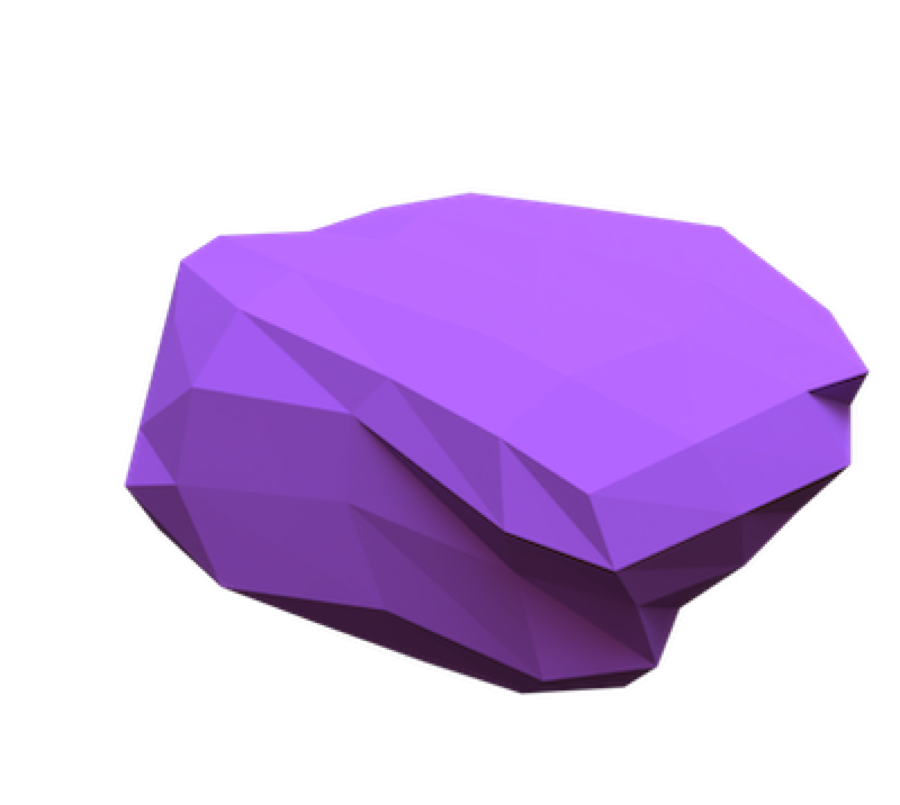
I defined the core loop: meet a stone, touch it, watch it respond and slowly change, then return without a task to complete. Claude Code and Codex helped assess feasibility and turn that interaction into a native MVP. They proposed implementation paths; I chose what to pursue and judged each result against the product's intent.
Building a shared product language
Figma established the interface and interaction foundation. I translated those decisions into Markdown covering the design system, product behavior, voice, and current project context, so Claude Code, Codex, and collaborators could work from the same language. My friend Shi Qi, a 3D designer, also wrote code with me, and files like AGENTS.md and progress.md kept both of us, and every agent, on the same context, so either of us could pick up where the other left off.
design.md
Interface & interactionPRD.md
Product behaviorwhisper.md
Voice & contentprogress.md
Shared contextAGENTS.md
Agent guidanceDefining the 3D art direction and rules
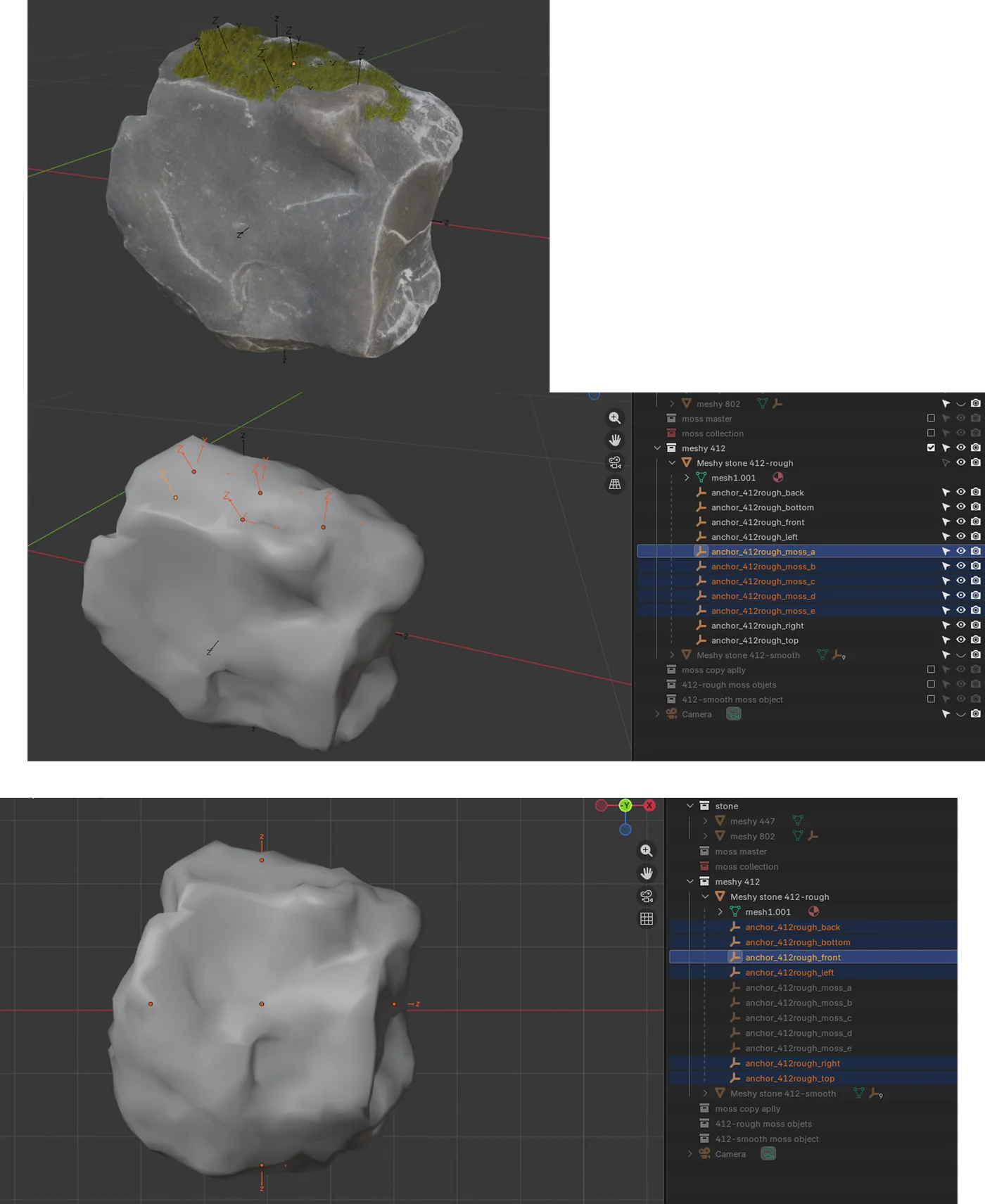
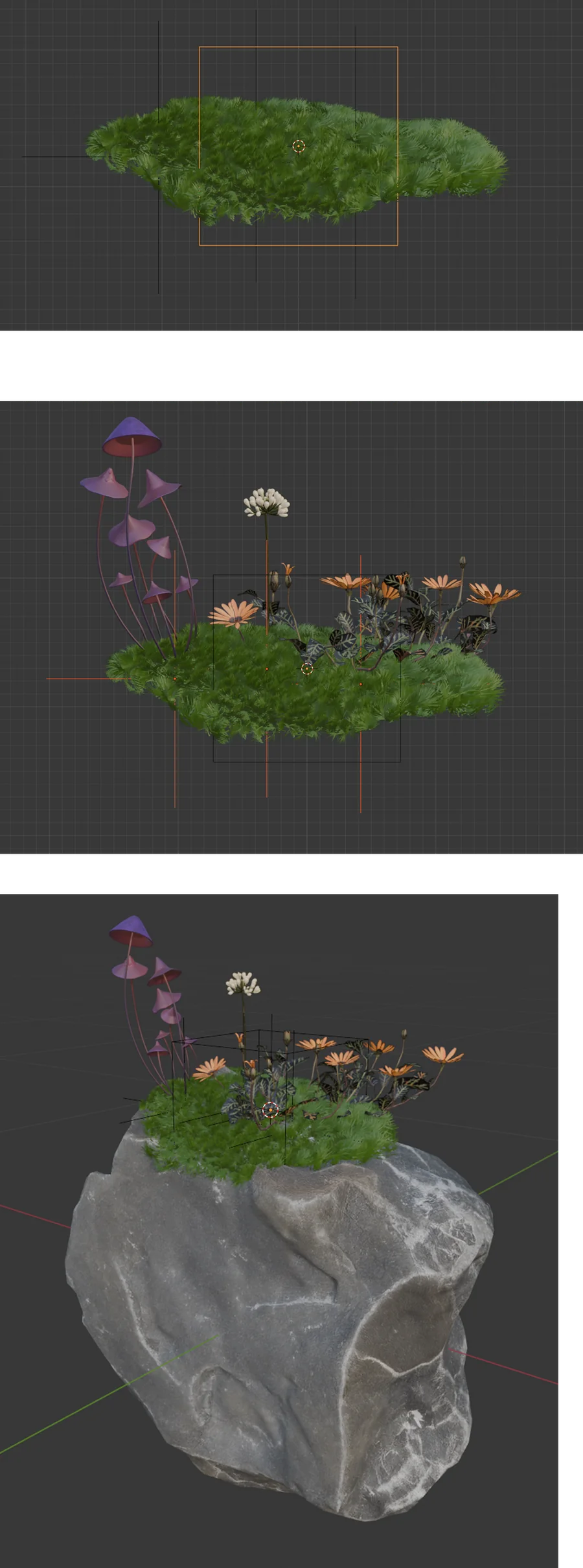
Shi Qi and I explored the possibilities, trying ideas and defining how the stone should respond, from how snow settles and rain darkens the surface to how small animals move across it. She then went deeper into the models themselves, solving technical questions around modelling, anchor points, materials, and textures, and set the base rules for the first three stones. Much of the automation that followed was built on that foundation.
Turning repeated work into a shared workflow
When a task began to repeat, from shaping the stone and preparing 3D models to reviewing code, performance, security, privacy, and design consistency, I wrote it down as a Markdown file, a Skill or documented process that an agent could follow on its own. Each one turned a step we used to handle by hand into one that simply ran, and that automation was the key to how fast the project moved.
Seeing the product as a whole system
Working with AI changed what I count as design. I used to judge an idea by what I could design and what engineering could build. Now I also weigh architecture, data and sync, security, privacy, performance on real devices, App Store review, and the cost of maintaining each choice, alongside user needs and the business behind them. Every decision became a trade-off across the whole product, not just the screen.
This case focuses on how AI reshaped the design and build process, but the partnership reached further. I used AI for research, and the business model is still taking shape, with an early version now in testing.